Tuesday, May 10, 2011

Bhindi Do Pyaaza (Okra with Onions)


I know, I know - this looks more like Aloo Do Pyaaza or Aloo Bhindi. But what is in the name? The more important part is that this recipe is a sure shot road to success. Never has this one let me down. Although the original and traditional Bhindi Fry recipe may be a common but a more well known preparation, Bhindi Do Pyaaza has an appeal of it's own. The addition of Pyaaz (onion) in double proportions to Okra and Potatoes gives this dish an interesting twist. The caramelized onions bring out a sweet and crunchy flavour to the rather soft potato and okra vegetables. This one, too, is a typical North Indian dish. Glad to be from that part of India!


Ingredients:
1. Okra, 1.5 pound, chopped
2. 2 medium sized potatoes, cubed
3. 3-4 onions, chopped
4. oil
5. mustard seeds
6. cumin seeds
7. heeng
8. turmeric powder
9. salt to taste
10. red chili powder, to taste

Instructions:
1. Heat a wok and add oil to it.
2. Add mustard seeds and let it crackle.
3. Add cumin seeds and when it sizzles, add heeng.
4. Add turmeric powder and onions.
5. Caramelize the onions.
6. Add potatoes.
7. Cover and cook until the potatoes start to appear somewhat translucent.
8. Add okra and cover and cook.
9. When about done, add red chili powder, salt and mix well.

Serve warm with Indian flatbread.

Monday, May 9, 2011

Tinda Fry (Baby Pumpkins with Caramelized Onions)

Tinda is a vegetable that my mom discovered after we moved to Northern India. I've never seen it at grocery stores in North America or other parts of India. Also, I've never had a chance to cook it. The other day, my eyes spotted these fresh baby pumpkins sitting comfortably at my usual grocery stop. Variety, I thought to myself, would make dinner interesting. And off I went to pay for these lush green vegetables. Later that day I gave a call to mom for the recipe. This is what turned out.


1. 5-6 baby pumpkins/Indian round gourd/apple gourd, peeled, sliced, seeds removed.
2. 1 large onion, chopped or sliced
3. oil
4. Salt to taste
5. mustard seeds, 1 tsp
6. cumin seeds, 1 tsp
7. amchoor powder (dried mango powder), 2 tsp
8. red chili powder, .5 tsp
9. Heeng, a pinch
10. turmeric powder, 1 tsp

Instructions:
1. Heat a wok and add oil to it.
2. Add mustard seeds and let it crackle.
3. Add cumin seeds and let it sizzle then add heeng.
4. Add onions and turmeric powder.
5. Caramelize the onions.
6. Add Tinda and cover and cook till the veggie is all dente.
7. Add amchoor powder, salt, red chili powder and cook for another few mins.

Saturday, May 7, 2011

Restaurant Style Dal Makhni (Buttery Lentils)

The Queen of all Dahls - Dahl Makhni is sheer indulgence. The literal translation in English is Lentil Butter. Righly so due to it's thick, rich, and creamy texture. It's one of those dishes that are a must-have on the menu for a special occasion or festive mood. In fact, this charmer has enough magic to transform a simple afternoon lunch or daily dinner in to a sinful special feast.
Dal Makhani or Maa ki Dal is a signature North Indian number that will get you rave reviews from your house guests.  Try it once and enjoy the extravaganza!

1. 1.5 cup whole urad dal (black gram)
2. .5 cup rajma (kidney beans)
3. .5 cup chana dal (split yellow gram)
4. 6-8 pods of garlic.
5. 1 inch ginger peeled.
6. Ghee, 3 tsp
7. 100ml or 1 can of tomato paste
8. Fresh cream, 10ml appx
9. Salt to taste
10. Cumin seeds
11. Heeng
12. Garam masala, 2-3 tsp
13. Red chili powder, 2 tsp appx
14. 2 tbsp butter or more as per dietry restrictions
15. 2 thai chili, minced

Instructions:
1. Soak 1-3 overnight.
2. Coarsely grate the garlic and ginger.
3. Boil the the soaked dal in a pressure cooker with 3/4 portions of the garlic ginger paste.
4. When the lid of the cooker opens, mash the dal with the back of a ladle.
5. In a deep bottomed vessel, heat ghee.
6. Add cumin seeds to the ghee and let it sizzle.
7. Add heeng, kasuri methi and the rest of the coarsely ground garlic ginger paste and chili.
8. Saute for a few mins.
9. To this, add the tomato paste and mix well. Cook until the tomato leaves the oil.
10. Add in the mashed dal and mix again.
11. If needed, add water to the dal and then boil it on low heat.
12. Add red chili powder, garam masala, salt, butter, and cream.
13. Simmer on low heat for an hour or more, stirring occasionally. If and as required, add water.
Note: This will give the dish the right texture and taste. Note that the consistency should be rather thick and not runny.
14. Adjust seasonings as necessary and to taste.

Garnish with freshly chopped cilantro and fresh cream.
Serve with Indian flatbread or white rice.
A gourmet's delight!

Tuesday, May 3, 2011

(Gobhi) Cauliflower and Peas in a Tomato Onion Sauce

1. 1 small cauliflower
2. 1 small onion
2. few pods of garlic
3. 50 ml tomato paste
4. a pinch of heeng
5. salt to taste
6. turmeric powder
7. cumin seeds
8. oil
9. garam masala. 1 tsp
10. red chili powder
11. dried red chili, a few
12. frozen green peas, 1.5 cup

Instructions:
1. Make a paste of onion and garlic. You can also add a few cashew nuts.
2. Heat a wok and add oil in it.
3. When hot, add cumin seeds and let it sizzle.
4. Add broken red chili and heeng.
5. Then add a pinch of turmeric powder and the paste.
6. Mix well and cook until the onion paste turns golden brown,
7. Add tomato paste and cook till it leaves the oil
8. Add cauliflower florets and mix with the sauce.
9. Cover and simmer for 15-20 mins until tender. Stir occasionally.
10. Add garam masala, salt, red chili powder, and peas.
11. Mix well and simmer for another few mins. Add water if needed.

Serve with Indian flatbread.

Dosa (Indian crepe)

Dosa is a crispy savoury South Indian delicacy. It can be understood as a lentil and fermented rice wrap filled with spicy potatoes. In the modern day, the filling has also become meat or cottage cheese. Some people like to call Dosa a pancake but I disagree because pancakes are typically sweet whereas Dosas are not. I would not call it a wrap either because Dosa is much more crispy and thin. So, in my understanding, crepe would be the best English name for Dosa :) These days dosa mixes are available in the market that can be used instantly. In this post, we follow the traditional procedure.

For my intrigued local readers, try House of Dosa on Kingsway on Mondays for a cheap and tasty dosa.
You wil not regret the food!

I made Dosa after about 5 years and so glad I did.

Needs preparation. Serves 3-4.

Ingredients for the filling:
1. potatoes, peeled, boiled, and mashed
2. Salt to taste
3. 1 onion chopped
4. 1/2 inch ginger, chopped
5. 2 tomatoes, chopped
6. 2 tablespoons olive oil
7. 1 teaspoon mustard seeds
8. 1 teaspoon cumin seeds
9. 1 teaspoon garam masala
10. 1 teaspoon amchoor powder
11. 1/2 teaspoon red chili powder
12. 1 fist chana dahl, soaked for about 30 mins in hot water
13. 2 dried red chili
14. 6-7 fresh green curry leaves
15. 1/2 teaspoon heeng
16. 2 teaspoon coriander powder

Instructions for the filling:
1. Heat oil in a pan.
2. Ad mustard seeds and let splutter.
3. Add cumin seeds, red chili, and curry leaves, and chana dahl.
4. Add ginger and onion.
5. Sautee until they turn golden brown.
6. Add tomato, red chili powder, garam masala, heeng, coriander powder, amchoor powder.
7. Cover and cook until tomato almost starts leaving the flavoured oil.
8. Add potato and salt.
9. Mix well and cook uncovered for about 5-10 minutes.
10. Set aside and let cool.

Ingredients for the crepe
1. 1 heaping cup rice, ground
2. 1/3 cup urad dahl, ground

Instructions for the crepe.
1. Mix 1 and 2 with water such that they are just immersed.
2. Soak 1 and 2 overnight. Then grind it in a food processor until a batter of medium consistency is formed. Leave this batter overnight to ferment and add some salt to it.
Note: You can consider pre heating an oven and then turning it off. Leave the batter in the oven overnight to ferment in the warmth.
3. On a non stick pan, spread the batter in a circular motion evenly to form a thin layer.
4. When the top layer dries, oil the sides of the sides of the crepe.
5. Using a wooden stick, detach the crepe from the pan and check the bottom layer. When brown, place potato at the center of the crepe.

Fold and serve hot with chutney and sambhar.

Thursday, April 28, 2011

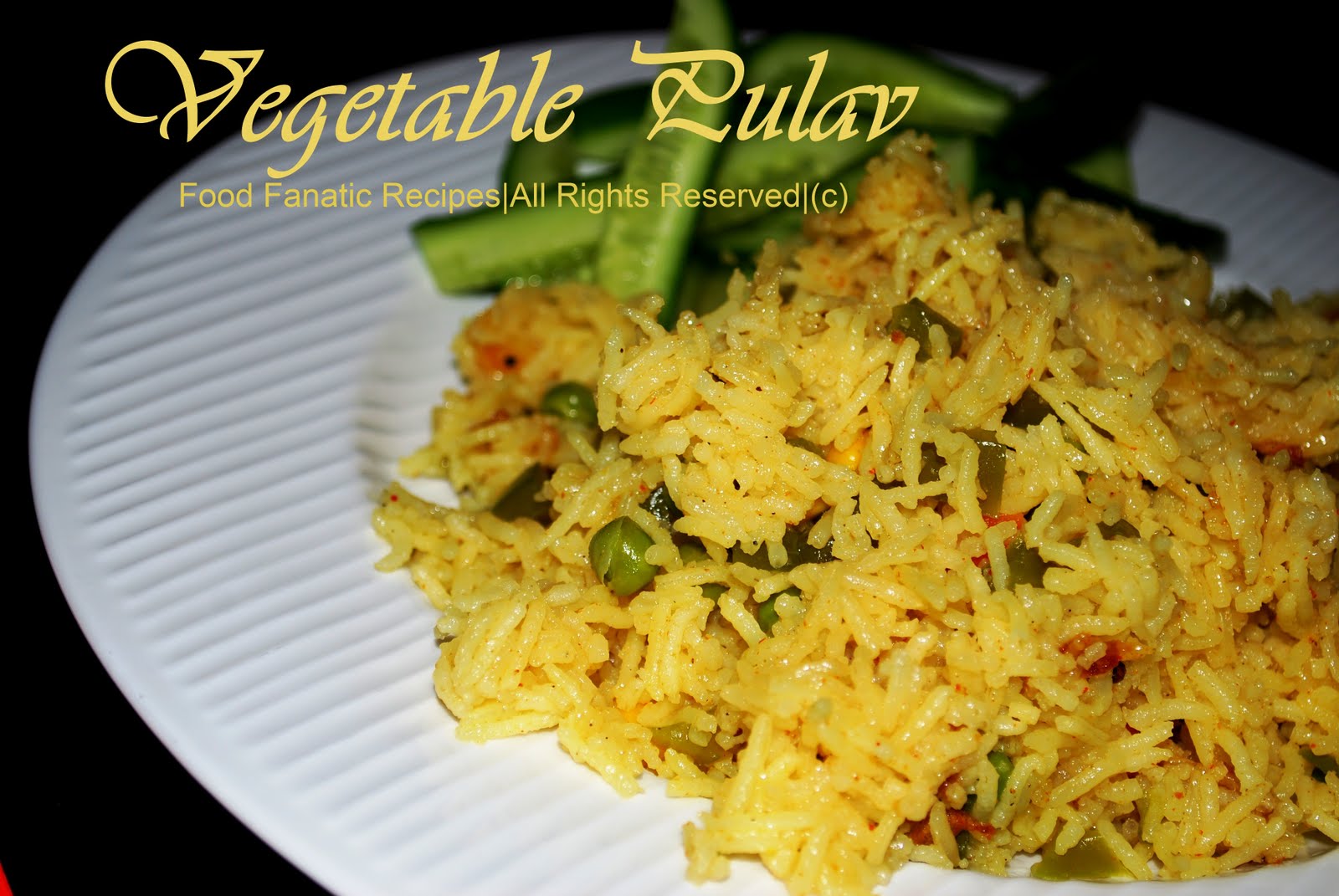
Pilaf/Pulav

1. 2 cups rice
2. Salt to taste. I added appx 2 tsp
3. 2 tsp ghee
4. 1/2 to 3/4 tsp red chili powder
5. 1/4 tsp turmeric powder
6. 1 heaping tsp coriander powder
7. 1 tsp MDH biryani masala
8. 3/4 diced green bell pepper
9. 1 cup frozen vegetables
10. 1 tsp garam masala

Instructions:
1. Wash rice.
2. Add all ingredients above and cook in a rice cooker.

Voila. A one meal dish is ready!
Serve with a side of cucumber or yogurt. This is perfect comfort food. Exactly what I need when I am running a busy schedule or traveling! Like now, and the reason for my intermittent posts.

Monday, April 18, 2011

Garnishing with edibles

There must be a zillion ways out there to garnish food. And to each one, her own (style). We attempted to outline some garnishing tricks and techniques  in our previous posts. For example, we've considered using ingredients of a dish as it's own garnish.

But how about garnishing using edibles that are not a part of the ingredient list? What could these edibles be?  What are some things we should keep in mind while using these edibles as a garnish? Are there any caveats to using certain edibles as a garnish? Are there some edible that would work better for a certain kind of food and some that would not? We all probably know the answers to these questions in the back of our minds. But how often does it strike us 'in the moment'? :)
Welcome to Episode 2 of the Return of the Garnishing Event! Along with Raksha, today, we endeavour to document some original as well as tossed around ideas on garnishing with edibles.

1. Seeds: Seeds can be a great garnish especially for salads. Sprinkling Sunflower seeds, for example, over a bed of spinach salad could be a great addition in terms of both nutrition as well as visual appeal. Sesame seeds, on the other hand, can be used as a garnish for Indian snacks such as Dhoodhi Muthiya or Japanese Sushis. Image on left: Coutesy google search.
Caveat: Not very effective when the colour of the dish itself matches the colour of the seed. Use the Contrasting Charima style to make most of sesame seeds as a garnish. Also, consider the textue of your dish when using seeds as a garnish. Seeds will add a crunch to your dish.

2. Herbs: The ubiquitous freshly chopped coriander leaves go with almost any curry or rice dish. Basil leaves are a perfect garnish for italian and thai dishes. Oregano flakes are a beautiful garnish for roasted potatoes.
Caveat:  Some herbs can have a distinct and strong flavour to it. Use herbs such that it complements or enhances the taste of the dish. Practice the Balancing Act when working with herbs.
3. Citrus: Using lemon or lime as a garnish is a hit when it comes to drinks. Cut wheel of lemon and experiment with Simplicity sensation for an eye catching garnish. Alternatively, try chopping of a lemon wedge and strategically place it on the rim of a glass of gin. Lemon/Lime can be cut in many different permutations and combinations to give a new look each time. Check out this site for some ideas.
Caveat: Be careful on the composition of your dish. Citrus should never be used to garnish milk products.
4. Vegetables: Carved carrots, tomato roses, Fanned spring onions act as a great centerpiece for any dish. Brightly coloured bell peppers can be a spotlight when used as a garnish. Use the shiny and better quality ones to bring out the right effect. If the vegtable you are working with is a green cucumber or zuchini, consider strips, peels, or ribbons. You will be impressed.
Caveat: Cannot be used as a garnish for most desserts. Needs some skills and tools like a sharp knife for successful implementation.
5. Fruits: Strategically shaped fruits are a great accompaniant as well as garnish for ice creams and some cold desserts. Fruits can also be used to garnish drinks. After all what is wrong with splashing around some deep or contrasting colours that add ust the right panache? For example, consider piercing a lychee with a toohpick and lay it over the top of a glass full of martini. Picture on left Courtesy: Google
Caveat: Consider the serving temperature of your dish or drink when using fruits as a garnish. Fruits usually work better with chilled beverages or dishes.
6. Nuts: A winner when it comes to garnishing milk based desserts. Pistachios and milk mased desserts go great. Almonds work better with puddings such as Carrot pudding.
Caveat: Food allergies must be considered when using nuts as a garnish. Also consider blanching, roasting, or using unsalted nuts depending on your dish in question.
7. Milk/yogurt/cream: Dairy is a perfect garnish for most soups and lentil curries. It adds to the richness and creamy texture of the gravy.
Caveats: Cream can double on calories, adding yogurt to a dish can decrease the shelf life of the dish, and milk can lessen the original colour of the dish or dilute the spicy level of your dish.
8. Onions: Both onion rings and chopped green onions work wonders with most Indian vegetables and snacks.
Caveat:The quality of the onion itself. Some onions tend to be more spicy than others. When it comes to garnishing, red onions are a better bet compared to the yellow counterpart. Be careful to not overpower the taste of your main meal when using strongly flavoured onions as a garnish.


Can you think of any other edibles that can be used as a garnish? What are some caveats to these garnishes?

Friday, April 15, 2011

Lauki/Dhoodhi/Ghiya Chana (Bottle Gourd with Lentils)


 Lauki-Chane ki sabzi is a classic dish that my mom would make for lunch as an accompaniment to Rice and Dal. I later discovered that this dish is typical of Gujarati cuisine, as well. 'Score', I said to myself. 'For once I see an overlap between the food I grew up eating and the Gujju cuisine that I have been learning. For once, I know a Gujju recipe without having to try'!


Bottle gourd with lentils is a nutritious and easy to make side dish. A bowl full of goodness.

Dhoodi Chana is a tangy curry with a slight nutty flavour  that comes from the lentils. This crunch nicely complements the mellowness and smooth texture of bottle gourd.

Ingredients:
1. 1 medium bottle gourd, peeled and minced
2. 1 cup chana dal, soaked for 1/2 hour
3. Oil, 2-3 tsp
4. Tamarind pulp, 2-3 tsp
5. salt, to taste
6. 1 medium onion, chopped
7. 2 thai chili, minced (optional)
8.  Garam masala, 2 tsp (optional)
9. cumin seeds, 1 tsp

Instructions:
1. Heat oil in a pressure cooker and then add cumin seeds.
2. When it starts to sizzle, add onion and green chili.
3. Saute until translucent.
4. Add Chana dal and bottle gourd and salt.
5. Mix well.
6. Add 1/4 cup water and pressure cooker until 1 whistle blows.
7. Allow the pressure cooker's lid to open.
8. Add tamarind pulp and garam masala.
9. Boil on high heat with an open lid to let any excess water evaporate.

Garnish with kasuri methi (optional).

Serve warm with phulkas/roti/indian bread.

Search Food Fanatic

Food Fanatic Search Results